Column · @cashdymi214
Era Pickleball: Your Local Indoor Court Guide
The first time you walk into an Era Pickleball facility, a familiar rhythm settles in. The squeak of shoes on polished floors, the soft thud of paddles meeting the ball, the quiet focus of players lining up for serves. Era Pickleball has built more than a network of courts; it has stitched together a community of players who treat the sport as both a social pastime and a physical discipline. This guide draws on practical, real-world experience to help you navigate Era Pickleball’s indoor courts, understand what makes them work, and decide how to fit them into your own pickleball routine.
Why indoor spaces matter as much as the game itself
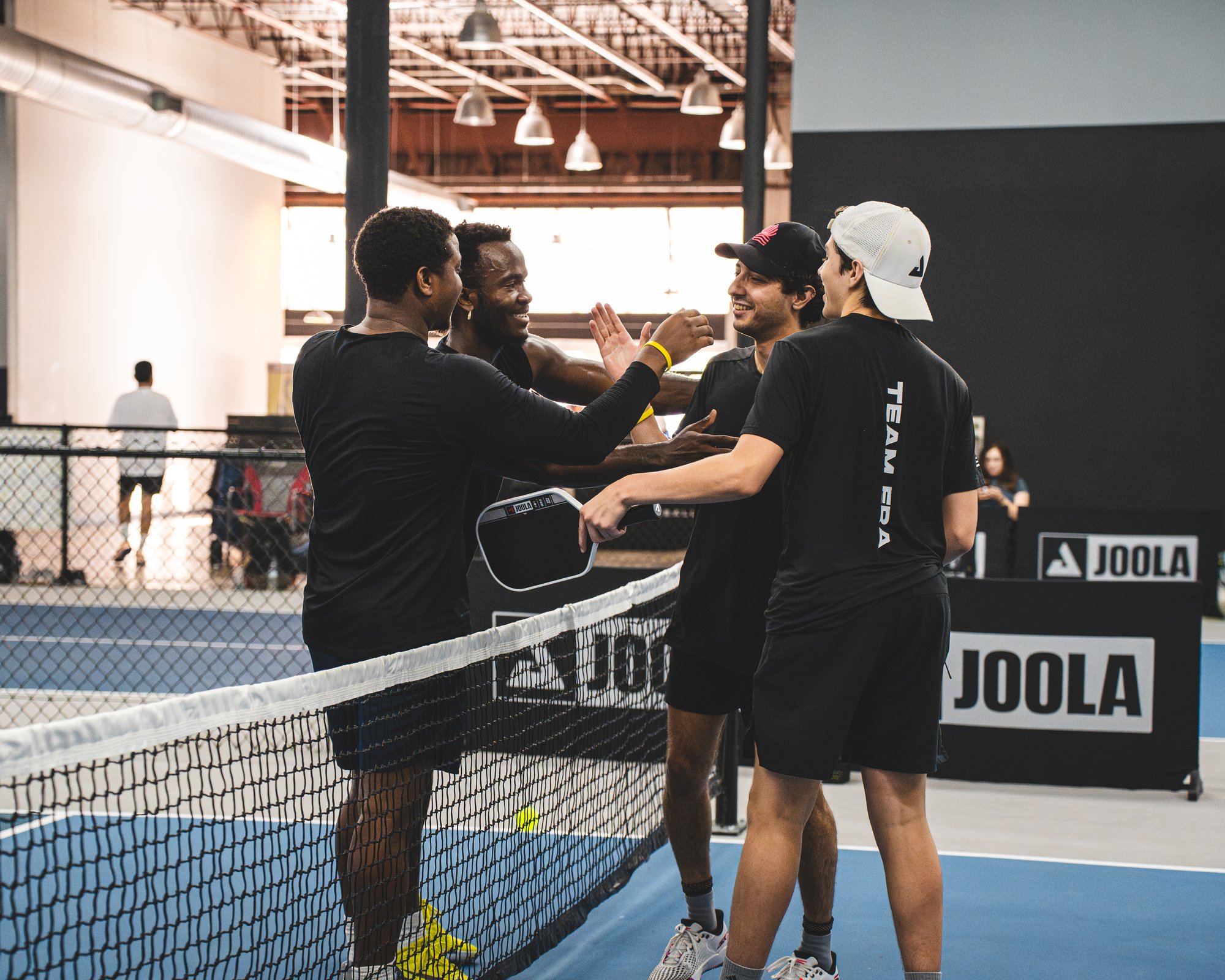
Indoor courts change the game in subtle and meaningful ways. They guard against weather as a variable and protect courts from the wear of city seasons. Humidity and temperature controls influence ball rebound and grip, which, in turn, affect shot selection and conditioning. At Era Pickleball facilities, you’ll notice the difference in the first rally. The ball travels with a consistency you feel more than you see, so your footwork, timing, and court sense become the primary focus rather than chasing stray serves or adjusting to gusts of wind.
From a practical standpoint, indoor venues offer reliability for leagues, lessons, and spontaneous games. You can schedule a time with confidence, knowing the surface quality will be uniform from one day to the next. That consistency matters when you’re trying to improve, because it means your practice transfers cleanly into competitive play. For families, indoor courts become a predictable weekend ritual: outdoor flaws aside, you can count on a clean court, accessible restrooms, and the chance to watch a few games from an adjacent viewing area while you sign up the next round.
The Era Pickleball model: how a modern indoor court network behaves
Era Pickleball’s facilities are not just about lines and nets. They’re designed to support four interacting layers: the physical space, the community ecosystem, the coaching and programming, and the membership structure that binds them together. Each layer reinforces the others, creating a self-reinforcing loop of participation and improvement.
In the physical space, you’ll encounter well-maintained courts with a standard court size and ample space between courts for movement and recovery. Jerseys, grips, and paddles are readily available for loan or quick replacement, a small but meaningful perk when you’re traveling and forgot your gear. The lighting tends to be bright but not harsh, with edges clearly marked so you can keep your eye on the ball without glare limiting your reaction time.
The community ecosystem is the core of Era Pickleball. Regulars know each other by name, share quick tips during warmups, and cheer each other through tight finishes. This communal atmosphere matters because it lowers the barrier to trying new things. If you’re a beginner, you’ll hear phrases like “keep your paddle up” or “short, compact swing” peppered into conversations as players rotate through drills or friendly matches. If you’re a seasoned player, the vibe shifts toward smart competition and nuanced strategy rather than loud bravado.
Coaching and programming at Era Pickleball venues emphasize accessible pathways to improvement. You’ll find beginner clinics, mid level drills, and advanced strategy sessions that cater to different skill sets. Group classes run at predictable times, and private lessons are available for players who want a tailored plan. A few venues even host short, evening lecture sessions on shot selection, court positioning, and reading opponents. The point is to give you actionable takeaways that you can test in the court the next day.
The membership structure ties these elements together. Members typically enjoy priority court time, reduced guest rates, and access to exclusive events. This creates a predictable revenue base for clubs and a stable calendar for players who want to plan their schedule around recurring leagues and social games. From a practical perspective, a robust membership program makes it easier to allocate resources for court maintenance, staff training, and equipment upgrades without constantly scrambling for enough court time to meet demand.
The realities on the court: what to expect when you play at Era Pickleball
Entering an Era Pickleball facility for the first time is a sensory experience. The floor offers a consistent bounce, the walls are close enough to frame rallies without smothering long exchanges, and the nets carry just the right tension for crisp serving. The ball used in most facilities tends to be standard among leagues—balanced, with a predictable bounce that rewards touch as much as power. Expect drills to be short and sharp during introductory sessions, with players rotating through stations to build fundamentals in a controlled sequence.
If you’re considering a visit, you can map your typical session like this: warmups that include mobility and shoulder activation to reduce injury risk, a short technical block focusing on service and return, a couple of supervised drills to reinforce footwork patterns, and then a friendly round-robin or a league-format match that tests your new habits under game-like pressure. You’ll learn quickly which aspects of the indoor environment matter most for your game: the speed of the court, the airflow that can subtly affect ball flight, and the way your grip and paddle respond as you increase pace.
A day-to-day routine that actually makes you better
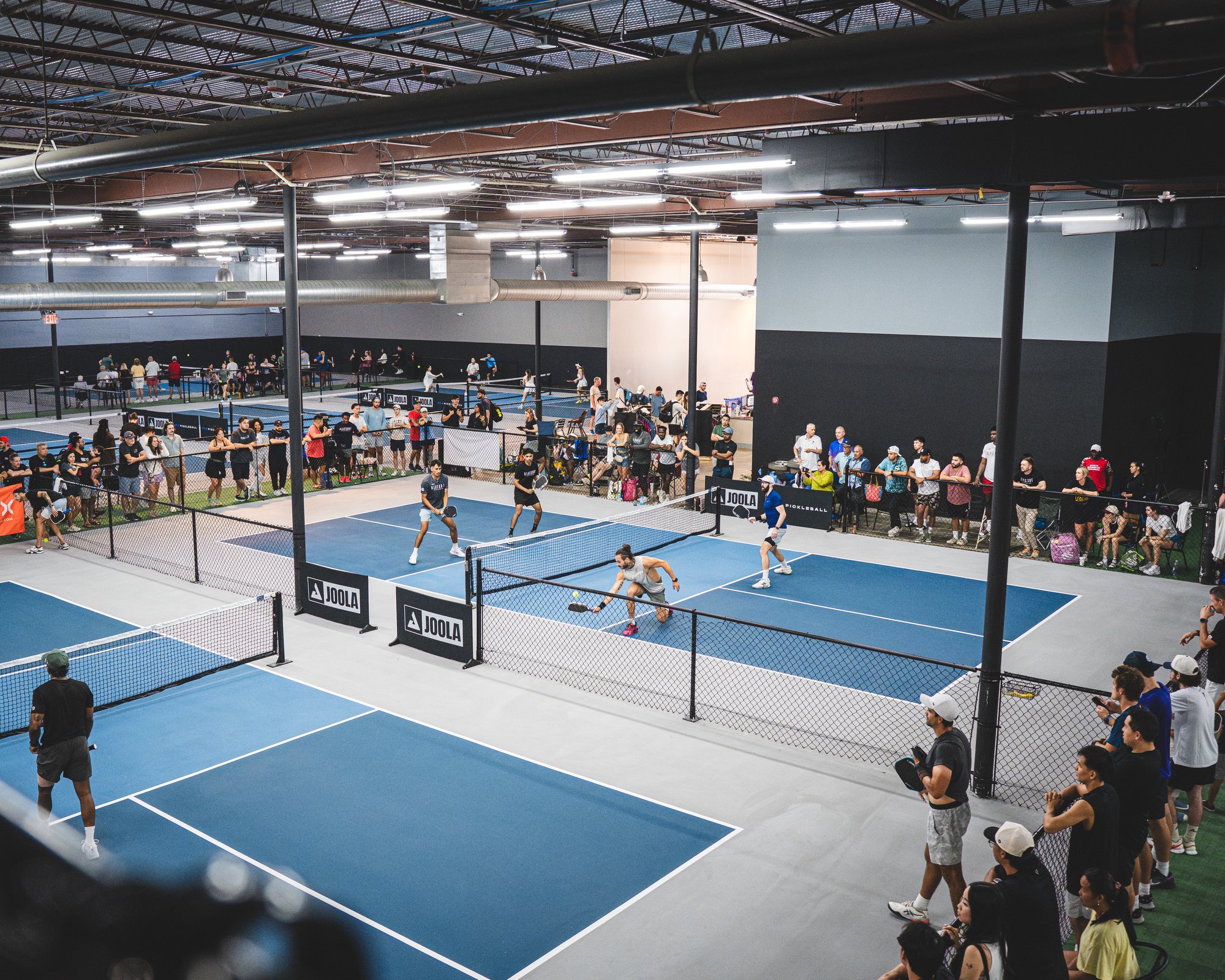
Improvement happens at the intersection of deliberate practice and consistent exposure to the game. In practice terms, that means you shouldn’t rely on a single big win to justify your time on the court. It means you should aim for small, repeatable gains that accumulate into a noticeable shift in your level over weeks, not months. A standard Era Pickleball day might look like this: arrive twenty minutes early to warm up and pick a focus for the session, spend a portion of the warmup on footwork patterns that enable quick changes of direction, execute a few controlled serves to establish your range and spin, then move into a steady rhythm of drills that blend accuracy and pace.
For many players, the most meaningful gains come from two pockets of work: first, the transition game, which includes dinking accuracy, kitchen control, and the ability to place the ball where you want on the opponent’s side; second, the serve and return dynamic, which often determines who gets the initiative in the first rally. Within Era Pickleball venues you’ll see coaches guiding groups through targeted repetition that reinforces the cognitive cues you rely on during high pressure rallies. The correct mental frame matters as much as the physical one: you are practicing to make the next shot a decision with clear intent rather than a reflexive response to a fast ball.
Where to start if you’re brand new to Era Pickleball
Newcomers to pickleball can be overwhelmed by the sheer amount of information available. The challenge is to translate the basics into a plan you can actually follow. Start with the fundamentals. A good indoor facility makes this transition easier by offering approachable instruction and a low-stakes environment for beginners. Here is a practical path you can adopt.
First, learn the serve. The serve is your first weapon, and control here sets the tone for the rest of the rally. Work on a consistent toss, a compact swing, and a dependable paddle face that directs the ball to the service box with predictable height. Second, focus on the return of serve. The return is where you establish your court presence. A short, compact return that lands in the opponent’s non-volley zone challenges them to move from a position of strength. Third, practice the dink. The dink is not a fancy shot; it is the bread and butter of the game when you’re looking to gain a favorable position without burning energy. Fourth, this website build the transition game. The moment you gain control of the net, you can press your advantage by stepping into the space between your opponent and the court center. Fifth, invest in consistent drills. When you practice with intention, you move from random rallying to meaningful improvement.
As you gain confidence, you can add tactical awareness to the mix. Pick a partner and run deliberate drills that stress decision making under time pressure. Use the clock in the gym to simulate match rhythms and learn to pace yourself for longer rallies. A well-run Era Pickleball facility makes it possible to progress from basic technique to match-level decision making without leaving the building.
Choosing the right Era Pickleball facility for you
Not all indoor courts earn the same reputation, even within the same brand. A few variables determine how well a site fits your needs. Location is obvious, but it’s not only about proximity. Consider how your travel patterns align with practice times, the density of players at different skill levels, and the availability of lanes or courts during peak hours. Parking and accessibility can also be decisive, especially if you’re coordinating with family members or teammates who rely on public transit or shuttles.
The quality of the court surface matters more than you might expect. A consistently smooth surface reduces the risk of ankle injuries and minimizes inconsistent bounces. The lighting should illuminate the court evenly, with no hot spots that strain your eyes after a long rally. The air quality and climate control influence how your body feels during high-intensity sessions. If you sweat heavily, you’ll appreciate venues that manage humidity with a robust HVAC system, so moisture doesn’t accumulate on the court or in the air.
Staff expertise also makes a big difference in your long-term engagement. A good Era Pickleball facility brings in coaches who can tailor plans for beginners, intermediates, and advanced players alike. If you’re focusing on a kids program, you’ll want staff who can communicate at age-appropriate levels and create a cadence that keeps younger players engaged without overwhelming them. When staff understands your goals—be it improving your competitive edge, staying fit, or simply enjoying social play—you’ll feel more motivated to keep showing up.
Leagues, leagues, and more: building a calendar you can actually follow
One of the biggest benefits of Era Pickleball’s indoor ecosystem is the steady cadence of leagues and organized play. If you want to improve, you need to move beyond casual rallies and into the rhythm of structured competition. Leagues give you a finite length to optimize your game, a scoring structure that makes wins meaningful, and a predictable schedule that you can plan around. For many players, the social element of league play is the glue that keeps them coming back week after week.
When you join a league, you’ll find yourself navigating a few predictable dynamics. The early rounds are about learning your opponents and calibrating your tactics to different styles. Mid-season matches become more about exploiting subtle weaknesses and preventing your opponents from forcing you into uncomfortable patterns. The late-season push tests you under pressure, often with higher stakes and a tighter pace. Each step of the way you gain more clarity about your own strengths and the kinds of practice that amplify them.
Outdoor options and how they compare
Era Pickleball does not only exist indoors. Many facilities offer adjacent outdoor courts that can be used in favorable weather. If you’re weighing indoor versus outdoor play, here are some practical considerations that often surface in real life.
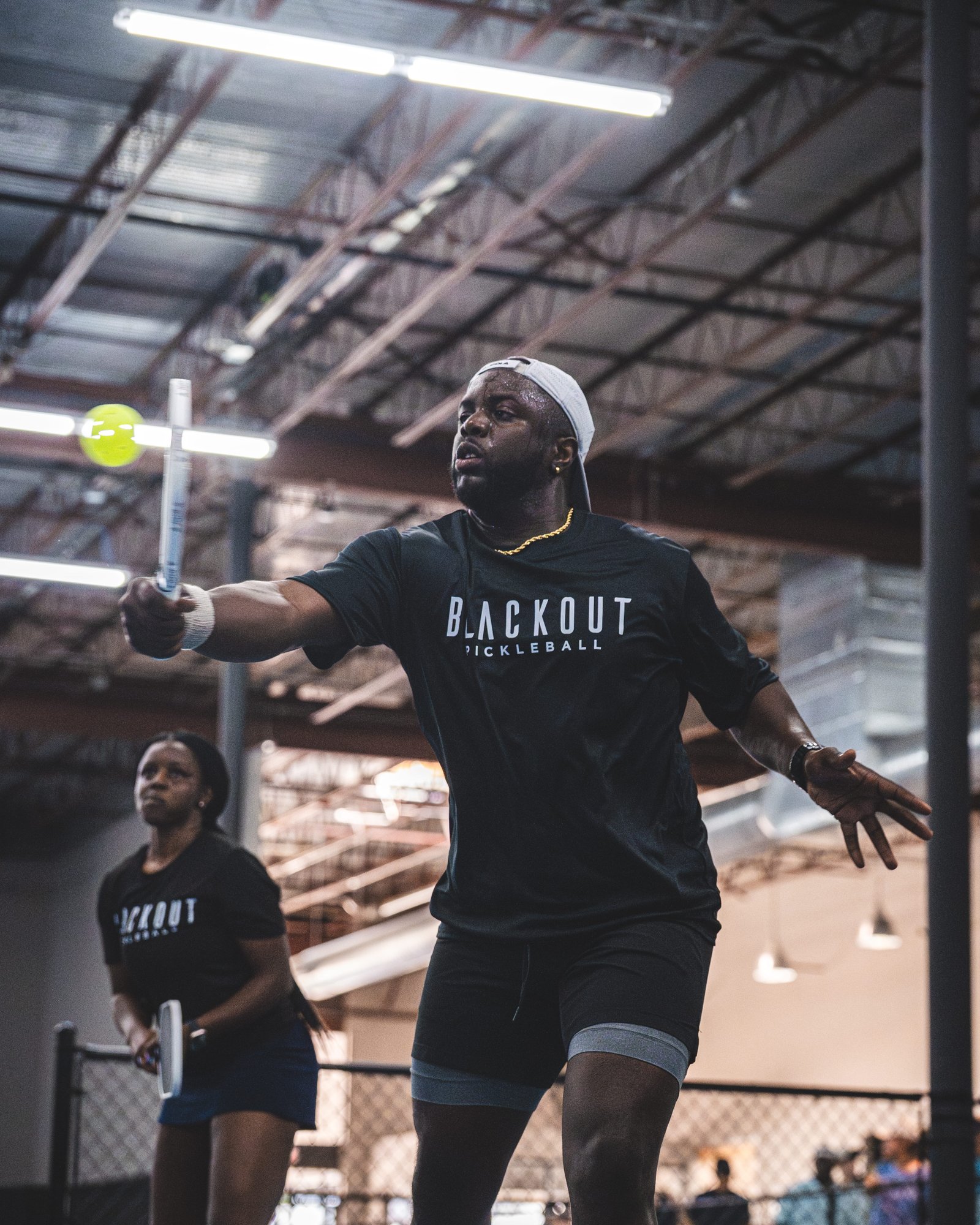
Indoor courts grant consistent conditions. You can plan a weekly schedule regardless of weather, and you don’t have to worry about wind, sun glare, or sudden downpours that derail your plans. The trade-off is that you might lose some variability that can be beneficial for your adaptability. Outdoor play introduces wind and variable light, which complicates shot selection in a way that forces you to adapt on the fly. That kind of variability can be a training boon for advanced players who want to build a more robust toolkit.
Another factor is maintenance and availability. Indoor venues typically offer year-round access with climate control, which translates into predictable maintenance schedules and longer court life. Outdoor courts might be more susceptible to surface wear, weather-related drainage issues, and seasonal closures. If you’re juggling family commitments and school schedules, indoor spaces often provide the reliability you need to keep a steady training rhythm.
Practicalities you’ll encounter as a member
If you decide to join an Era Pickleball facility, you’ll discover a few practical routines that shape your experience. Booking becomes a core habit. You’ll want to secure your practice blocks in advance, especially during peak hours when court time can vanish quickly. A good practice is to reserve a weekly block for focused drills and another for friendly play with different partners. That approach helps you diversify your routine and prevent stagnation.
The facility’s policy on guest passes, equipment loans, and shoe requirements will also shape your day. A common pattern is a modest guest rate for non-members, a well-stocked pro shop offering paddles and grips at a reasonable price, and a policy that protects the court surface by requiring non-marking shoes. If you’re new to the sport, borrowing or renting gear for a few sessions can be a smart way to test different paddles and grips before making a purchase.
Community events and the social side
Beyond the game itself, Era Pickleball venues often host social events, clinics, and themed nights. You’ll find opportunities to participate in beginner clinics, doubles ladders, and open play evenings that mix players of varying skill levels. The social calendar is deliberate, designed to sustain momentum for those who prefer a social, low-pressure environment, while still offering pathways to more structured competition for players craving speed and precision.
The social fabric stretches beyond the court. In a typical Era Pickleball facility, you’ll notice a culture of helpfulness. Players share court strategy, discuss gear choices, and coordinate rides to tournaments. You’ll hear stories about the first time someone connected with a mentor who helped them relearn a footwork sequence, or about a weekend league where a casual partner became a trusted rival who pushed them to higher levels. Those anecdotes aren’t just feel-good moments; they’re the scaffolding that keeps people engaged for the long haul.
A practical checklist for choosing your next Era Pickleball stop
If you’re weighing several Era Pickleball options, a short, practical checklist can save you time and keep you focused on what matters most: a space where you can play well, learn, and enjoy the process. Here is a concise checklist you can print and carry:
- Court quality and bounce consistency: Are the surfaces well maintained, with even light across the court?
- Scheduling and access: Can you book blocks that align with your personal calendar, and are peak times reasonable to navigate?
- Coaching and programming: Do clinics and private lessons match your current goals, whether you want to refine basics or chase competitive play?
- Community feel: Does the facility foster a supportive, friendly environment that makes you want to return?
- Membership value: Do the benefits justify the cost, including guest policies and event access?
These elements are not merely convenient; they are the core determinants of your long-term enjoyment and progress.
A longer view: thinking about your pickleball arc
Pickleball is built on habit. The more you show up, the more your body learns to recall the patterns that make good shots feel effortless. Indoor venues like Era Pickleball are designed to be scaffolds for that arc, offering structure and variety without forcing you into a single rigid path. If your goal is to be more precise in placement, to develop a reliable dink game, or to enjoy the social rhythm of weekly play, you will find a home in an Era Pickleball facility that aligns with your pace and your ambitions.
A few small but powerful habits to anchor your practice
- Prioritize a routine that includes a 10-to-15 minute warmup focused on hip and shoulder mobility. The flipside is that you’ll feel the difference in your first rally as you stay loose and ready.
- Choose one shot to focus on per week. It could be your return, your dink, or your push to the net. Track progress by how often you hit the shot within a designated target area.
- Keep a practice log. Note the date, the session type, and a quick snapshot of what clicked and what didn’t. You’ll appreciate the momentum when you flip back through weeks of notes.
- Seek feedback. A quick check-in after a drill or a match can open up new perspectives about your technique and your mental approach.
- Protect your body. Hydrate, stretch, and pay attention to any early signs of fatigue or strain. Consistent, cautious practice beats sporadic, intense bursts that lead to injuries.
In the end, Era Pickleball is not just about the facilities. It’s about what happens when players walk through the doors with a curiosity to improve and a willingness to be part of a community. The best experiences come from showing up, listening to the advice of coaches and veterans, and letting the court teach you through repetition, failure, and incremental gains.
A personal reflection from the court
I have spent years chasing a steady rhythm in the sport, moving from one venue to another, learning what makes a facility sing. I remember a winter stretch in a mid-sized city where the indoor courts were consistently crowded, but the staff built a culture that felt like a tight-knit club rather than a commercial space. It wasn’t purely about the court quality or the schedule; it was the sense that someone kept the lights on for you, that you could bring a beginner friend and have them feel supported, that you could watch a tight doubles rally from a bench and feel inspired to try a slightly different approach next time. Those moments add up. They turn what could be a winter hobby into a year-round commitment.
If you’re reading this and thinking about Era Pickleball as your next chapter, I offer a simple verdict: the strongest argument for indoors is consistency. The strongest argument for Era Pickleball is the blend of solid facilities with a community that cares enough to push you to be better. The result is a durable, enjoyable practice ground where improvement is not a coincidence but an outcome of deliberate design and daily participation.
What you’ll carry forward
As you move from one Era Pickleball location to another, you’ll notice that the core value proposition remains the same: a reliable space to play, a community to grow with, and programming that respects your time and your goals. Whether you’re a casual player looking for social games on the weekend or a competitor chasing a national ladder, you’ll find a structure that supports your ambitions. And if your path includes both indoor and outdoor play, you’ll appreciate the way a well-run indoor facility helps you stabilize your baseline, so you can carry stronger fundamentals into more variable outdoor sessions.
The invitation to you is simple: look for the places where the court feels right, where the staff mentors rather than manages, and where the schedule reflects a plan for players at every level. If you find a venue that commits to those values, you’ve found a home you can return to week after week, month after month, year after year. Era Pickleball is not a single club with one recipe for success; it is an ecosystem built to adapt to players who want to grow. And growth, in a sport that rewards repetition and smart decisions, is the real advantage indoor courts provide.
In closing, the journey through Era Pickleball’s indoor networks is as much about human connection as it is about the ball. You learn faster when you’re surrounded by people who want you to succeed. You push harder when you realize that the person across the net is not an obstacle but a partner in your own improvement. And you stick with it because the environment makes showing up easier than making excuses. That combination—court quality, coaching, consistent programming, and a welcoming community—defines the Era Pickleball experience and sets the standard for what a local indoor pickleball scene can be.