Column · @cashdymi214
erapickleball.com: Your Portal to pickleball training and Coaching
Pickleball has a way of revealing your strengths and your gaps all at once. A well designed training path makes those gaps less glaring and frames your improvements in clear, measurable terms. When I first started coaching players at Era Pickleball, I treated practice as a map rather than a plan. The map shows routes, detours, and elevations. A plan, on the other hand, is a date with a calendar. A training path is a living thing, changing as you learn, as your body adapts, and as the game circumstances evolve. That philosophy sits at the heart of erapickleball.com pickleball classes, and it informs every coaching interaction we have with players of all levels.
In this piece I want to pull back the curtain a bit. You will find practical guidance on how Era Pickleball pickleball classes work, what a coaching session looks like, and how to choose a pathway that fits your goals. You will hear from the field, not from a brochure. You will sense the balance between technique, strategy, and the mental game that makes a great player. And you will discover how our coaching and training ecosystem — built around eras of progression, personalized feedback loops, and scalable drills — helps you translate practice into on court success.
A practical note before we dive in. This is not a sales pamphlet. It is a field manual for players who want to own their improvement. If you are already enrolled or contemplating enrollment in pickleball classes Era Pickleball offers, you will recognize the patterns of coaching philosophy that underpin every drill, every session, and every plan of attack. If you are exploring a coaching relationship for the first time, you will walk away with a clear sense of what to expect and how to measure results without waiting for a season to pass.
What sets Era Pickleball apart is the blend of structure and flexibility. We design a ladder of objectives that rises as you climb, but we do not lock you into a fixed trajectory. The game is alive, and so is our approach. The pathway is practical, tested in real courts and real matches, and tuned to fit the realities players face when the scoreboard starts ticking.
How training translates to matches
To begin with, training is a way to encode anticipation into your reaction. In pickleball every ball arrives with intention. A ball is not just a ball; it is a decision point, a tempo cue, a way to test your readiness. The Era Pickleball framework treats each shot as part of a small system that you can optimize over time. The most powerful improvements come from three intersecting threads: technique, decision making, and conditioning.
Technique is the foundation. It covers your grip, paddle angle, contact point, body alignment, and the micro movements that separate a good shot from a winning shot. Technique is not about perfection in one session. It is about consistency across dozens of repetitions under varying pressure. Our pickleball classes emphasize slow, deliberate practice early on, followed by controlled velocity to improve both accuracy and confidence. You will work on forehands and backhands, serves and returns, dinks, and the sometimes overlooked but hugely consequential third shot drop. The goal is to build a kit of reliable motions you can summon in the moment.
Decision making is the second pillar. The game rewards the player who can compress choices and act with clarity. We teach players to read the court, the pace of the rally, and the tendencies of their opponent. This is where experience matters. A drill might look simple on paper, but its value lies in the cognitive load: can you decide in half a second which shot to play and where to place it? Our coaching sessions weave pattern recognition into drills. We mix predictable sequences with random balls so that you learn to respond rather than memorize. The aim is not to overthink during a match, but to reduce the time you spend deliberating while the ball is in play.
Conditioning and mobility complete the triad. Pickleball is a dynamic sport. You move laterally, sprint short distances, and pivot under fatigue. Training demands a balance between speed and durability. We incorporate agility ladders, hip mobility sequences, and endurance blocks that translate to longer rallies and sharper resets. The best players do not simply train their precision; they train the body that makes precision possible. In this sense, era training pays dividends in your ability to stay present through long matches, to reset after a miscue, and to pace yourself when the pressure rises.
The coaching conversation: feedback that sticks
Feedback is the oxygen of growth. Without timely, precise feedback, a drill becomes a ritual with little meaning. Our coaching approach blends objective data with subjective insight. We measure progress with simple benchmarks: how quickly you move from reaction to decision, how consistent your dink arc is, and how effectively you manage the kitchen line from both sides of the court. We track your pace, your control, and your pickleball courts near me ability to switch gears when the rally demands it.
A recurring theme in Era Pickleball coaching is the idea of intent. Every drill is anchored by a purposeful intent. If you are practicing a drill to improve your third shot drop, the coach will not let you drift into mindless repetition. The session will start with a clear objective, proceed through a few cycles, and end with a reflection that links the practice to match decisions. The coaching relationship is a partnership; you own the data and your coach helps you interpret it. This collaborative dynamic matters because improvement loses its luster when it becomes a collection of isolated techniques rather than a holistic upgrade in your game.
One-on-one coaching, in particular, reveals the nuance that public clinics never fully capture. In a private session you can experiment with angles, experiment with tempo, and work through your specific pain points. It might be your lack of comfort transitioning from the baseline to the kitchen or your tendency to lose balance when you move to the non-dominant side. A good coach will listen, watch, and then tailor a sequence of tasks that address those precise issues without overwhelming you. Expect a balance of challenge and support, a push and a relief valve that lets you test new movements without fear of embarrassment or failure.
The role of deliberate practice and structure
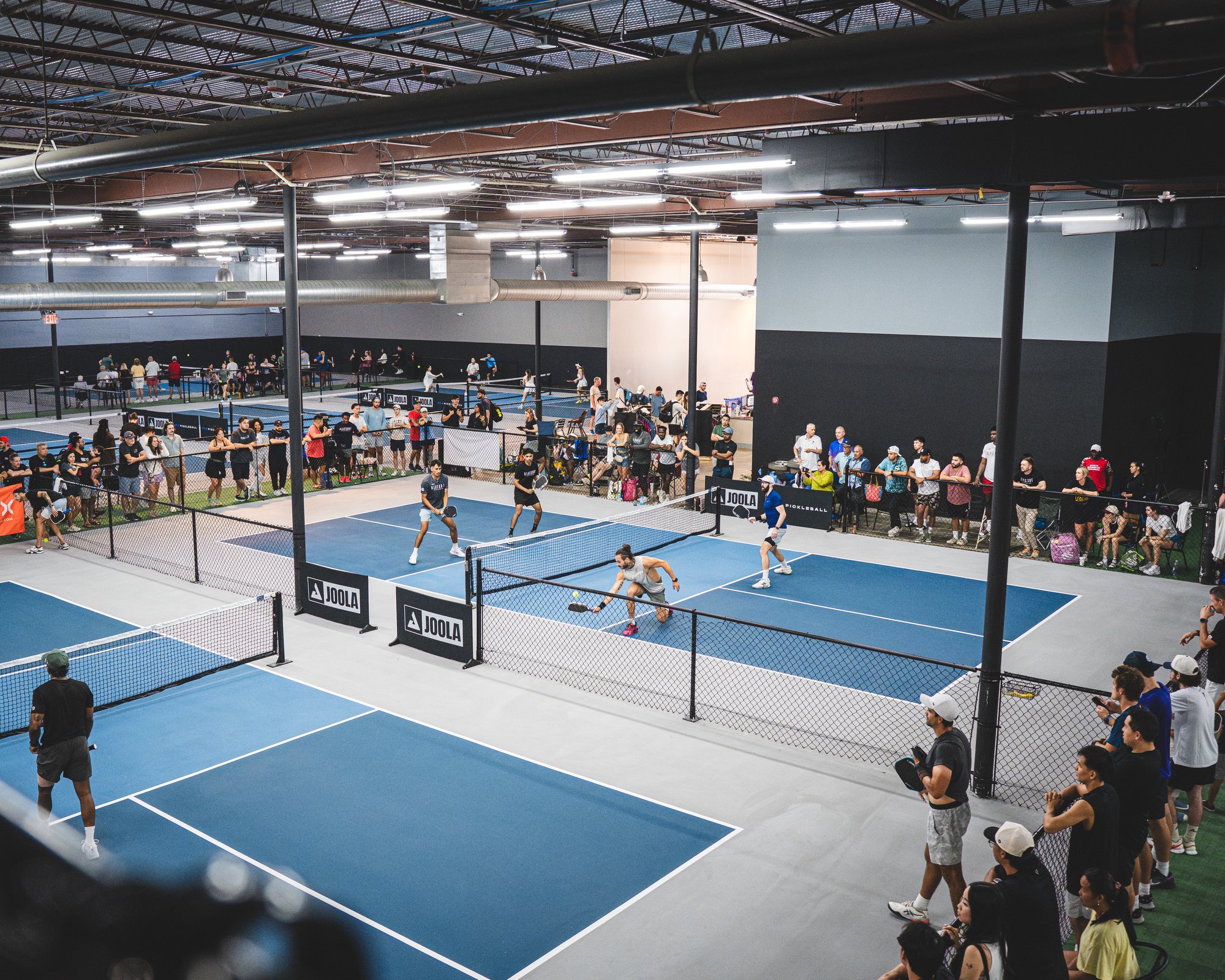
Deliberate practice is not a buzzword here. It is the backbone of the Era Pickleball method. We design practice blocks that progressively intensify, but they do so with a clear ladder in mind. A typical session may begin with a dynamic warmup focused on hips, ankles, and shoulders, then move into a technical block aimed at refining a specific stroke. After that comes a decision-making block where the emphasis shifts from motion to pattern recognition and situational play. Finally, we close with a competitive scenario, perhaps a short rally or a mini-match that forces you to apply what you just learned under pressure.
Structure matters because it converts the intangible feel of improvement into something measurable. You want to be able to answer, after a session, what changed and why it matters. The precise wording matters too. If a coach says, you improved your center of mass alignment, you should be able to demonstrate what that looks like in your next rally. If the takeaway is, you should favor your non-dominant side more often in midcourt exchanges, you should be able to show a few examples in your next practice. The clarity of these transfer points makes daily practice more purposeful and less repetitive.
Another advantage of this approach is the way it accommodates varying skill levels. A seasoned player who wants to shave half a step off a return will benefit from precision oriented tuning. A newer player who is still building a rhythm will benefit from foundational drills that build dependable habits before they shift into higher tempo patterns. The same framework adapts, the coaching style calibrates, but the underlying emphasis on deliberate practice remains constant.
What to expect from Era Pickleball pickleball classes
If you are considering joining our pickleball classes era Pickleball, you should imagine more than a sequence of drills. You should picture a continuous arc that connects your first day to your first tournament, your first league match, and the moment you realize your own improvement is not accidental. Our classes mix instruction with live play. You will watch and be watched. You will receive feedback in real time, and you will be given drills to take home that reinforce what you learned on the court.
The class experience is designed to be inclusive and rigorous at the same time. It welcomes players from all backgrounds, from curious beginners to former racquet sports athletes who are returning after a long break. The sense of community matters here. You will meet teammates who share the same challenges, celebrate each other’s wins, and push one another toward better footwork, smarter shot selection, and greater consistency.
One practical advantage of Era Pickleball classes is access to a broad spectrum of drills that stay fresh over time. Drills are not static; they evolve as your capabilities grow. For beginners, the focus is on fundamentals: consistent contact, stable stance, and a reliable serve. For intermediates, the emphasis shifts toward crafting efficient patterns in midcourt exchanges, recognizing when to press the attack, and building a mental map of the court that you can rely on under pressure. For advanced players, the drills emphasize subtle tradeoffs: when to risk a bold slice return, how to run the kitchen with surgical precision, and how to manage fatigue without sacrificing accuracy.
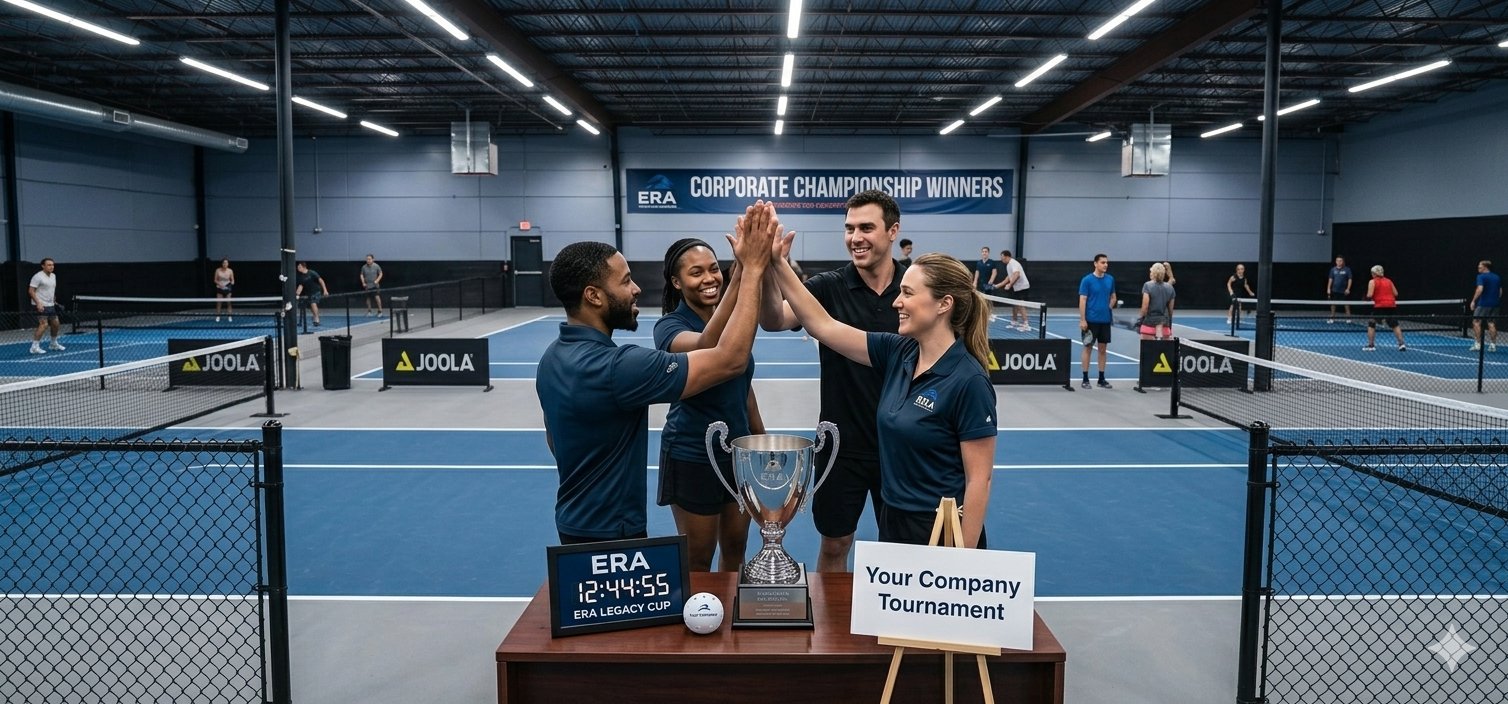
The coaching team at Era Pickleball draws on a wealth of real court experience. Each coach brings a unique set of strengths, and you will feel the complement between a coach who excels at footwork and a partner who translates strategy to shot choices. The most successful players do not rely on a single drill or a single coach. They build a small ecosystem around themselves, a network of practices, feedback cycles, and match play that keeps them growing. Our role is to help you knit that ecosystem together, to ensure that every piece of the training aligns with your goals and your court reality.
How to design a personal training path
A personal training path is more than a list of drills. It is a living plan that respects how you learn, how your body recovers, and how much time you can commit without burning out. When we begin working with a new player, we start by identifying three things: your current level, your long term goals, and your constraints. Those constraints can be time availability, travel, injury history, or even the court surfaces you have access to. The better we understand the context, the more precisely we can tailor your plan.
Next comes the assessment phase. We do not rely on a single evaluation to decide your direction. Instead we gather data from multiple sessions: your rally length, your accuracy across different shot types, and your performance under fatigue. We also pay attention to your decision speed. You might find that you react quickly to certain patterns but stumble when faced with a different tempo. Documentation matters here. You will leave with a clear summary of your current strengths, the gaps to close, and the milestones that will signal progress.
With the assessment in hand, we build a roadmap that blends progression with flexibility. A typical plan allocates weeks to different emphases: foundations, transitional play, situational strategy, and tournament readiness. Each block has explicit goals and measurable indicators. You will know when you have met the milestone and when you should pivot to a new focus. The roadmap is never a rigid script. It is a living agreement that adapts to how you respond to the drills, how quickly your skills transfer to game situations, and how your body handles stress and recovery.
The two lists of practical considerations
- What to look for in a pickleball coach
- How to evaluate a training plan
What to look for in a pickleball coach
A good coach does more than demonstrate techniques. They create an environment in which you can experiment, fail safely, and come back with insights. The best coaches at Era Pickleball are attentive listeners who translate what you say into actionable drills. They watch your rallies with a patient eye, picking up subtle signs of imbalance, mis-timing, or overreliance on a single shot. They are also honest about limits. They will tell you when a drill is not yet appropriate for your level and when it is time to push your boundaries.
A strong coach respects your time. They come prepared with a plan that aligns with your goals and your weekly schedule. They adjust the tempo to keep you engaged, balancing the challenge with moments of relief to consolidate learning. They also model professional habits—consistent communication, punctual sessions, and a focus on safety. In pickleball, foot placement and knee health matter as much as swing mechanics, and a thoughtful coach emphasizes both.
Experience matters, but so does a coach’s approach. A seasoned professional who works well with different personalities can tailor feedback to your learning style. Some players crave direct, compact cues; others respond to a narrative that links each drill to a match scenario. The best coaches switch styles as needed, ensuring you stay engaged and driven by the next milestone.
A good coach gives you tools to practice away from the court. They recommend specific at-home routines, mobility drills, and rhythm drills that you can perform before or after class. A well designed plan includes micro-wins you can chase in between sessions, which helps sustain momentum and motivation.
How to evaluate a training plan
Your training plan should tell a story about how you will improve. It should be concrete enough to guide your week yet flexible enough to adapt to unexpected life events. A strong plan includes three layers: the weekly focus, the session level details, and the long term milestones. The weekly focus is your compass. It tells you what you are trying to achieve and why that objective matters for your overall game. The session level details provide the blueprint for that week, including the sequence of drills, the intended tempo, and the expected outcomes. The milestones are the moments you will recognize your progress and stay motivated.
A practical way to evaluate a plan is to test two questions after a few weeks. First, does the plan align with your on court results? If your wins are not translating into better performance in matches, you might need more emphasis on decision making or situational drills. Second, is the plan sustainable? If the schedule feels punitive or overwhelming, you risk burnout and drop off. A good plan respects your life outside the court while keeping a steady rhythm of improvement.
Diving into era training in depth
There is a logic to the era model that resonates with players who crave clarity and accountability. Each era of training corresponds to a stage in your development. The early era concentrates on mastering rhythm and shot feasibility. The middle eras introduce more advanced patterns, the kind of exchanges that demand quick thinking and precise timing. The later eras push you toward strategic mastery: understanding when to push for an error, when to pull back, how to manage the pace and pressure of a match.
In practice, this means you will experience cycles of accumulation and consolidation. You practice a handful of core skills with discipline, then you apply them in more complex rally patterns. You test yourself with higher tempo sessions, incorporate more angled shots, and learn to vary the pace to disorient your opponent. The emphasis is always on making your current skill set more resilient rather than simply adding more techniques to your repertoire.
The reality of court surfaces and equipment
Environment matters in pickleball almost as much as in any sport. A lot of the nuance you discover in training comes from how your body responds to different court surfaces, lighting conditions, and even the humidity. Era Pickleball programs accommodate this by exposing players to a variety of settings, when possible, or by adapting drills to reflect the demands of each surface. The paddle you use can also influence your technique. A paddle with a heavier feel or a different balance can require adjustments to your grip and your timing. Your coach will help you navigate these choices in a way that keeps your technique clean while still allowing you to exploit the paddle you prefer.
If you train on outdoor courts and face wind, the shot selection may shift toward more stable trajectories and lower risk plays. Indoor courts, with less wind but different lighting, will challenge your depth perception and footwork. The good news is that the training path accounts for these realities and uses them to build your adaptability. You will learn to read the environment and to alter your plan moment by moment instead of sticking to a rigid script.
The practicalities of a coaching ecosystem
Era Pickleball offers a coaching ecosystem that extends beyond the court. You will find resources that help you translate what you learn into real match performance. Many players benefit from video analysis, which anchors feedback visually. Seeing your own rally from different angles allows you to identify errors that you might not feel in the moment. Similarly, the ability to review a drill after class helps reinforce learning and creates a durable memory trace that supports automaticity during play.
Community features matter as well. Training with others who are chasing similar goals creates a healthy competitive environment. You learn to handle both support and pressure, to celebrate small wins, and to accept constructive critique. A culture of consistent practice and mutual accountability elevates the entire team, making individual progress easier to sustain.
In the long run, the real value of coaching comes from the transfer to your matches. It is not unusual for a player to feel significant improvement in practice only to realize that nerves during competition still pose a challenge. This is where the coaching approach must address mental game elements, confidence, and tactical adjustments under pressure. The Era Pickleball coaching model integrates these aspects with physical training in a cohesive plan.
The edge cases and trade-offs
No training path is perfect for everyone. There are edge cases to consider. For example, a player recovering from a shoulder issue may need a modified program that emphasizes stability and mobility over aggressive shots. A player with limited weekly availability may need a longer but lighter cycle that preserves quality while compounding small gains. A very tall or very short player might require alterations to the stance or reach to optimize balance and shot selection. The key is to maintain a steady progression that respects individual limits while still challenging the player to step outside their comfort zone at a controlled pace.
There are also trade-offs to acknowledge. Pushing too hard on one aspect of the game can stall improvement in another. A laser focus on power can undermine control if not paired with deliberate practice on touch and placement. Our approach discourages over specialization at the cost of general competence. Instead, we aim for a balanced profile that remains adaptable as the competition landscape changes and as a player grows into new tactical responsibilities on the court.
What this all means for you
If you are deciding whether era-based pickleball training is right for you, imagine your game refined through a series of meaningful, repeatable steps. Picture the confidence that comes from knowing what comes next after you win a rally and what comes next after you lose one. This is not a distant dream. It is the practical, day to day reality of training with era-level structure and coaching expertise.
Our pickleball classes erapickleball.com are designed to be the catalyst for that transformation. They offer the cadence of weekly practice with the depth of feedback that turns every drill into a learning opportunity. The coaching relationships that emerge from these sessions are more than a sequence of tips. They are a collaborative process of interpretation, experimentation, and application.
If you are a seasoned player, you will find new value in the way we layer tactical awareness with physical conditioning. You will discover new patterns in your decision making, your reading of your opponent, and your ability to control the pace of a rally. If you are newer to the game, you will find a patient, structured path that builds your fundamentals with consistent, measurable progress. Either way, you gain a stable framework that guides your practice, helps you track your improvement, and makes your practice time more efficient.
Final reflections
Pickleball is a sport of small edges. A half step here, a tighter paddle angle there, a more precise judgment about when to press or hold, all add up. The Era Pickleball coaching philosophy is grounded in that reality. It respects the art and science of the sport while acknowledging the human element that makes practice meaningful. The goal is not to pressure you into a mold but to illuminate a path that you can own, that fits your life, and that leads you toward the kind of performance you can sustain and enjoy.
In the end, the most powerful thing you can do is engage with a training plan that feels honest about the work involved and generous about the results it promises. The most successful players I have coached understand that improvement is a long conversation with your body and your brain. They show up, they listen, they adjust, and they commit to the process. That is the core of Era Pickleball coaching. It is a pathway that respects your pace while inviting you to push a little further with each session.
If you are curious about how a typical coaching journey begins, start with a conversation. Share your goals, your constraints, and your current reality on the court. A coach from erapickleball.com will listen, assess, and propose a plan that neither overreaches nor undersells your potential. The aim is not to create a revolution in a single night but to establish a durable trajectory that turns practice into confident performance, match after match, season after season.