Column · @cashdymi214
Find Your Court: Era Pickleball Near Me Locator
I learned to love pickleball the way many players do—through the rhythm of a well-timed dink, the sharp crack of a well struck shot, and the quiet satisfaction of finding a place where you can play at the pace you want. A good court is more than a surface and lines; it’s a small community, a predictable routine, a place to climb back into a routine after a long day, or a new arena to host a friendly tournament with neighbors. When Era Pickleball rolled out its near me locator, it felt like someone had finally built a bridge between curiosity and commitment. It wasn’t a marketing gimmick or a map with a few pin drops; it was a practical tool designed by people who play, coach, repair nets, and understand what it takes to keep a court occupied and a club thriving.
This article is a field guide of sorts. It blends what I’ve learned from years of circuiting indoor and outdoor courts, running leagues, and chasing drop-in sessions around the country. You’ll find a candid take on how the Era Pickleball locator works, what to look for when you’re choosing a place to play, and the practical realities of finding your court when you’re new to the area or simply looking to try something new. pickleball courts near me If you’ve already scanned the erapickleball.com pages or used the locator in a pinch, you’ll find details here that translate numbers on a screen into real-world decisions—where the lights stay on after dark, where the club runs a beginner lesson, and where the schedule actually aligns with your calendar.
A sense of place matters as much as a sense of pace. That’s not a slogan. It’s a reality you feel the moment you walk into an Era Pickleball facility, whether indoors with air conditioning and reliable court surfaces or outdoors where the sun and the wind remind you that you are part of a larger game. My aim here is to share how to use the near me locator with discernment, how to interpret the information you pull from it, and how to set up a routine that makes your pickleball experience both sustainable and enjoyable.
Finding predictable rhythm in a sport that rewards speed, touch, and tempo begins with knowing your options. Era Pickleball has built a network that spans both indoor pickleball courts and outdoor pickleball courts, with venues that range from compact training spaces to full-scale facilities that feel more like clubs than simple play spaces. The locator is more than a directory; it is a lens into what is available in your region, what the hours look like, what kind of membership or court access you might need, and what kind of programming you can expect to find during peak season versus slow months. Understanding what the locator can tell you—and more importantly what it can’t—will save you hours of back-and-forth planning and a lot of guesswork about whether a venue is truly close enough to matter in your weekly routine.
The first thing you notice when you start using the Era Pickleball locator is its practical clarity. It isn’t buried behind layers of menus or swamped with irrelevant ads. You type in a city or a zip code, and the map populates with pins representing Era venues that actively host pickleball. Each venue typically includes basic data: indoor or outdoor courts, a sense of the typical crowd, the kinds of programs offered, and sometimes a quick snapshot of price structures or membership details. If you are the kind of player who likes to compare options quickly, you’ll appreciate the compact, glanceable summaries. If you want to dig deeper, the venue pages usually link to more expansive details, such as seasonal schedules, events calendars, and contact information for the front desk or the league coordinator.
What you do with this information matters as much as the information itself. I learned early on that the nearest court is not always the best court for my needs, especially when your goal is to train for a tournament or simply enjoy a long, relaxed evening with friends. Indoor courts are great when you want consistent bounce, predictable weather, and a controlled temperature that keeps your fingers from stiffening in winter. Outdoor courts, by contrast, offer the kind of variability that sharpens your focus: wind direction, sun glare, cracks in the pavement, shade patterns at various times of day. The Era locator helps you identify which venues offer the conditions you want and which ones you might want to avoid for a given session.
From a practical standpoint, here are a few patterns I’ve relied on when planning sessions through the near me locator. First, consider your travel window. If you only have an hour in the evening, you want a venue that not only has open courts but also a predictable turnover so you can squeeze in a couple of games without waiting too long. A venue with a robust league schedule and a few drop-in windows tends to work better than a place that hosts a single open court time and then empties out for hours. Second, think about your financial plan. Some venues operate on a membership model that includes a fixed number of court hours, while others price per session. The locator usually hints at this in a venue’s profile, but you’ll often learn more by calling or visiting the site. If you’re a casual player, a pay-per-session model can be friendlier; if you’re a serious weekly player, a membership may yield better value and prioritize reserved or reduced-rate courts during busy times.
The emotional dimension of choosing a venue is real, too. A court is where you want to feel welcome, not only where you want to win your next rally. A good Era Pickleball facility tends to have a friendly front desk, helpful staff, and a community that organizes regular events beyond just the standard open play. When you go beyond the official information—a listing of courts, hours, and prices—you start to sense the culture of the place. Is there a recurring league that serves beginners and intermediate players alike? Do coaches offer clinics and private lessons, and are those lessons priced in a way that makes attendance sustainable? Is there a club that hosts social events, round-robins, or skill-building sessions that you can plug into without a complicated sign-up process?
Grounded, practical steps help you move from curiosity to commitment. When you first open the Era locator, start with a quick scan of indoor and outdoor options near your home or workplace. Then, compare a couple of venues side by side in terms of three core factors: court quality, programmatic richness, and social energy. Court quality includes surface condition, net tension, court spacing, and lighting in the evening. The more consistent the bounce you’ve grown to rely on in training, the more you’ll prize venues with good court maintenance and reliable lighting. Programmatic richness means the variety of events, from open play to clinics to ladders and leagues, and the ease with which you can join. Social energy is the sense of community you sense when you walk in the door—whether you feel welcomed by staff and players, whether you can plug into a social round-robin, and whether your presence as a beginner is treated as a real potential for growth rather than a placeholder.
I’ve learned to favor venues that actively publish a decent schedule and maintain a clear pathway for beginners to level up. A good sign is a small, ongoing series of beginner-friendly clinics, often offered in multi-week blocks or as stand-alone sessions with affordable pricing. It’s not rare to see a venue that blocks out a couple of hours every week for a “learn to dink” session or a “ fundamentals refresher” course. If you’re evaluating a venue through the locator and you notice a recurring gap in beginner programming, you might want to call ahead or check the calendar for the upcoming month to see if new sessions are being added. The best venues recognize that growing participation is the engine for long-term vitality. They build spaces where a novice can feel safe to try new shots, ask questions, and gradually increase their pace and skill without the pressure of competing against seasoned pros.
A practical example from my own routine illustrates how this approach works. I live near a medium-sized city with several Era Pickleball facilities. One venue sits indoors with a climate control that keeps the air clean and dry, a feature that makes it a reliable option during the shoulder seasons when outdoor conditions are unpredictable. Another venue offers a robust outdoor schedule in a park-like setting, with shaded seating for spectators and a casual picnic vibe that makes it easy to bring a friend who isn’t yet committed to playing every week. Using the locator, I cross-referenced proximity, hours, and program variety. The indoor facility came up as a consistent option during winter evenings; the outdoor option was particularly appealing on warm spring weekends when the wind cooperates and the sun remains gentle in the late afternoon. Quick checks of the venue pages revealed both had beginner clinics on alternating weeks and a monthly social night where a new player can meet regulars in a low-pressure environment. It wasn’t the fastest decision I’ve ever made, but it was one that yielded reliable play windows and a sense of belonging—two things you can’t quantify on a map but which show up in the first three visits.
If you’re new to the locator, here are a few practical tips that will help you leverage Era Pickleball to its full potential:
- Plan a two-venue test run. Pick one indoor and one outdoor option within reasonable distance. Schedule a week apart so you can compare the feel of the surfaces, the lighting, the crowd, and the overall pace of play. You’ll likely notice tangible differences in the bounce of the ball and the social energy from one venue to another.
- Look for a clear beginner pathway. A venue that offers weekly clinics, drop-in coaching, or beginner rounds is more likely to help you improve quickly and stay engaged over time. If you can’t find any beginner programming on the calendar, contact the staff and ask whether they have a coach or a ladder that accommodates new players.
- Check for accessibility and amenities. A good facility will have accessible restrooms, water stations, and a comfortable lounge or seating area for players waiting for games. If you bring a partner or a guest who isn’t playing, a welcoming environment makes the whole experience more enjoyable.
- Note the league and tournament cadence. If your goal includes competitive play or a structured ladder, you’ll want venues that publish regular leagues or seasonal tournaments. The locator can help you identify who runs these programs and how to join.
- Gauge the crowd and culture. A five-minute conversation with staff or even a quick chat with other players on the court can reveal whether the venue fosters inclusion. You want a place where beginners feel encouraged and where experienced players are willing to share tips without judgment.
The Locator’s value extends beyond the basic map and list of addresses. It’s a reflection of Era Pickleball’s philosophy of accessibility and community-driven play. The best venues that populate the locator aren’t just places to fill a calendar; they are hubs where players of all levels mix, learn, and become part of a recurring routine. That is the core benefit of a well designed network: it lowers the friction of participating in a sport that rewards consistency and long notice intervals for skill development.
The emotional and social dimensions of a good venue are as critical as the physical ones. A player who finds a court where they feel welcomed is a player who will return. People show up for many reasons: to chase a new personal record on a rally, to unwind after a long day, to meet friends who share the same sport, or to build a routine that keeps them active through the seasons. Having a locator that highlights venues with beginner programs and social events helps players make that transition more quickly. It gives new players a clear entry point and more experienced players an opportunity to mentor in a way that feels natural and nonjudgmental.
There are times when the near me locator reveals spaces that are wonderfully convenient but lacking in certain practical aspects. In those moments you face a trade off that’s worth weighing. A court with a great surface, excellent lighting, and a friendly crowd but with fewer beginner offerings might still be worth your time if you pair it with a separate session that focuses on fundamentals. Conversely, a venue with more structured beginner programming and a welcoming social calendar that happens to be a few minutes farther away could yield a better long term payoff if you’re prioritizing growth and consistency over proximity. The locator doesn’t make those tradeoffs for you, but it gives you the signals you need to evaluate them in real time.
Edge cases deserve attention too. In certain regions, the density of Era Pickleball venues can be uneven. You may find a cluster of indoor facilities with excellent court conditions but limited access during peak hours, or you might encounter outdoor venues that flood after heavy rain but offer a comfortable atmosphere in the dry seasons. Some facilities operate on a hybrid model, where outdoor courts are kept available through spring and fall, and indoor courts become the mainstay in winter. If you are planning a trip or arranging a weekend visit to a new town, you can use the locator to map out a mini itinerary that includes buffer time for weather delays or travel contingencies. It’s reasonable to expect that, in a growing network like Era Pickleball, some venues will still be refining their programming and facilities. The locator helps you identify which ones are actively investing in improvements and which ones you should approach as work in progress. You can still enjoy great play at places that are currently evolving, as long as you align your expectations with what is guaranteed and what is contingent.
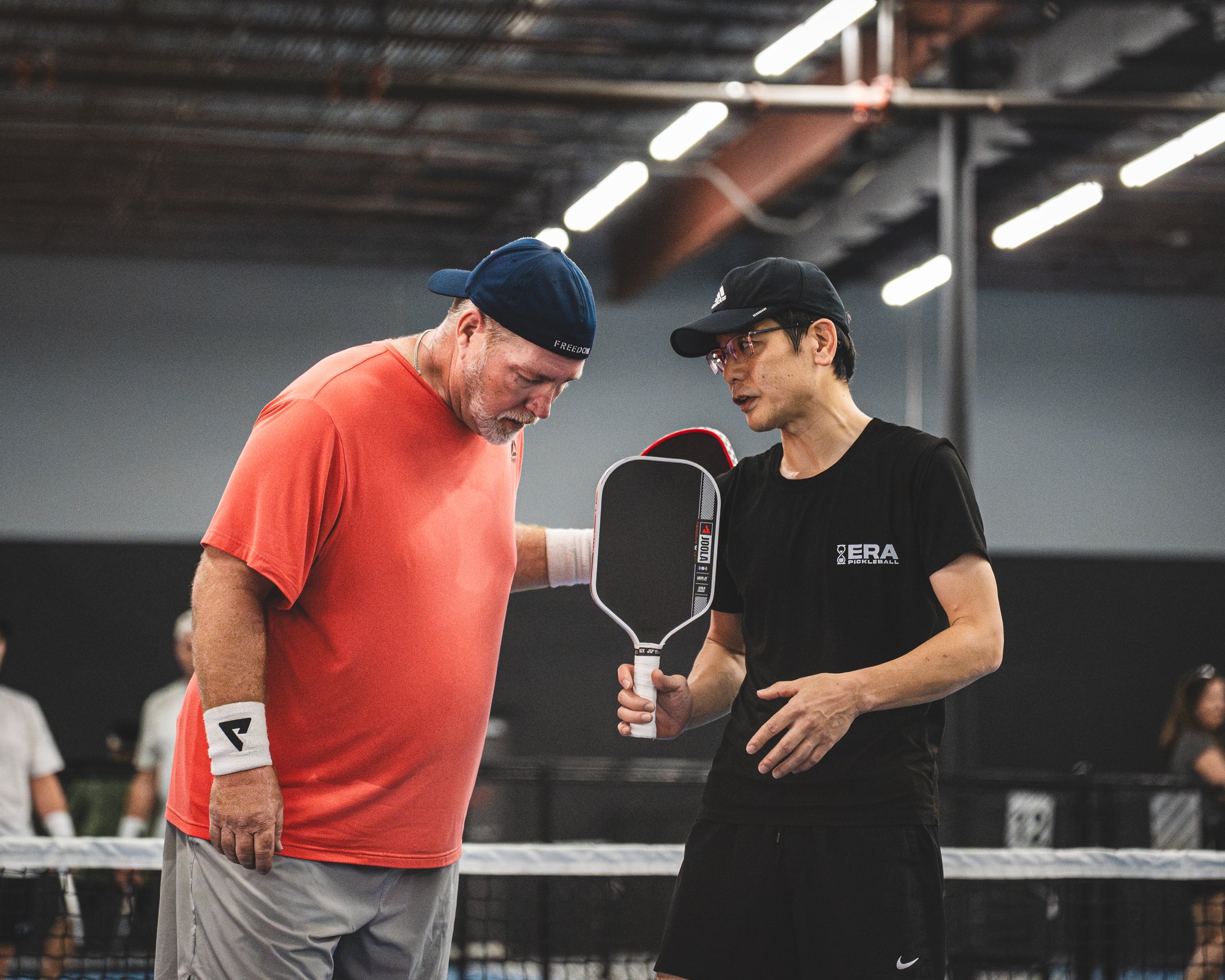
The human element—the staff, the coaches, the volunteers who organize leagues and clinics—often shapes the experience more than the physical environment. A strong Era Pickleball venue will intentionally build a sense of belonging for players who come back week after week. You’ll notice this in the way staff respond to questions about court times, in how they handle last minute rainouts, and in the kind of information they share about upcoming events. A welcoming front desk person who remembers your name, or a coach who can offer a couple of simple tips before a game, creates a ripple effect: it makes you more likely to bring a friend, to stay longer, and to try a slightly more advanced drill the next week. If you’re evaluating a new venue, ask about the team’s approach to newcomers. A good response isn’t a rehearsed pitch; it’s concrete guidance about how beginners can plug into the schedule and how advanced players can support growth without intimidation.
The Era Pickleball locator is not a magic wand. It won’t tell you the exact sentiment of every court you step onto, and it can’t guarantee that a facility will always have open courts at your preferred times. What it does offer is a reliable, regularly updated snapshot of available options across a region, with enough detail to make informed decisions with a minimal amount of legwork. The real work of course is in the follow up: making a few quick calls, checking an online calendar, and if possible, stopping by for a walk-through. If you treat the locator as a starting point rather than a final word, you’ll discover its true value. You’ll quickly learn to calibrate your expectations with occurrences you can control—your own schedule, your own level of readiness, your willingness to try a venue’s beginner programming, and your readiness to adapt to the venue’s unique hours and culture.
In the end, finding your court through Era Pickleball near me is about building a reliable habit. It is about choosing spaces that honor your goals, whether those goals are to improve your dink, to enjoy a friendly game with neighbors, or to climb into a league with a clear ladder toward more competitive play. The locator is a tool, but the real payoff comes from treating play as a regular, anticipated part of your week rather than a one-off errand. The most durable players I know approach the sport with a balanced mix of discipline and curiosity. They use the locator not as a checklist, but as a compass that helps them locate the venues where practice, social connection, and personal growth intersect most meaningfully.
To wrap this up without turning it into a manual, I’ll share a few reflections drawn from months of using the Era Pickleball near me locator. The first is modest but potent: proximity matters more than you expect, but proximity is only valuable if you are also basing your choice on schedule reliability and programming variety. The second is pragmatic: if you want to sustain a routine, prioritize venues with clear beginner pathways and a social calendar, because those elements are what keep players returning. The third is personal: your best courts will be those where the staff remembers you, where you feel welcomed even when you are new, and where the culture rewards patience and gradual improvement. The locator helps you find those places, but your ongoing relationship with the venue comes from the daily, small decisions you make about when to go, who to bring, and how to approach your own development.
If you are still scanning the eras and thinking about where to begin, consider this gentle blueprint for your first two weeks with the locator. Week one, pick one indoor and one outdoor option within a tight radius. Attend the first available beginner clinic at each venue, or if none exists, join an open play session and observe how the players interact. Week two, choose one venue to dedicate two or three sessions, focusing on consistency rather than score. Take notes on what surfaces you preferred, which lighting conditions felt easiest on your eyes after work, and how the crowd responds to newcomers. Bring a friend or two to share the experience, because the social component is what makes a long-term routine possible. After those two weeks, you will have a clearer sense of what matters most to you: the surface quality, the programming variety, or the community vibe.
The Era Pickleball near me locator isn’t just about helping you find a court quickly. It’s about helping you discover a place where you can grow, retire the excuses you carry about why your practice time never happened, and settle into a rhythm that feels sustainable across seasons. It’s about transforming a map into a network you can rely on, a calendar you can trust, and a community you can call your own. That is the deeper value of Era Pickleball’s network. It is not merely a listing of courts; it is a collection of spaces designed to invite players at every level to show up as themselves, to work, learn, and enjoy the sport together.
For players who are ready to dive in, I echo a simple invitation: use the locator, trust your instincts, and let the process unfold. The best courts will reveal themselves through your routine. You will learn which venues deliver the pace you crave, which ones nurture your growth, and which ones simply feel right from the moment you walk in. The experience, if you show up consistently and with an open mind, becomes less about chasing the best court in the region and more about building a reliable home for your game. In my own journey, a handful of venues—identified first through the Era Pickleball locator—became anchors for practice, weekend matches, and friendly social nights that reminded me why I fell in love with pickleball in the first place.
Two practical notes for readers who want to dive right in:
- If you plan to join a club or a membership tier, verify what is included in the price. Some facilities bundle court time with access to exclusive events, coaching, or member-only socials. Others price per session but offer discounts for a multi-visit package. The difference can add up in a month.
- Don’t overlook the value of a quick phone call. A fifteen minute conversation with a staffer can reveal the nuances of a venue that aren’t obvious in the locator, such as how often the courts are resurfaced, whether a particular time slot tends to fill up, or whether there’s a seasonal transition when the outdoor courts open and close.
If you’re reading this and you’ve just downloaded the Era Pickleball locator or opened the erapickleball.com pages for the first time, give yourself permission to experiment. It’s not a test you have to pass. It’s a tool designed to help you establish a stable pattern of play that suits your life, your pace, and your goals. The beauty of getting to know your local era network is that it becomes a living map of people who care about the same thing you do: a good game, played well, in a space that feels welcoming and alive. And when you finally find that court—and you will find it—the sense of belonging will almost certainly surface in the first rally you play with players who remember your name and welcome you back the next week with a smile and a spare spare ball in case you forgot to bring one.
As you begin your journey with the near me locator, a small, practical truth remains. The place you select will become a touchstone, a dependable option that you can build your schedule around. It’s not about how many courts you can access in a given week, though that matters. It is about the quality of the experience you create on those courts: the way you pace your play to maximize your learning, the gestures of support you give and receive from teammates and neighbors, and the clarity with which you map out your progress. The Era Pickleball locator is a doorway to that experience. Step through it with curiosity, and you may find that your weeks become more vibrant, your body feels better after every session, and your mind learns to appreciate the subtle, daily practice of a sport you genuinely enjoy.
In closing, your court is waiting, and the locator is your compass. Use it not as a mere directory but as a living tool that helps you assemble the right spaces for your growth. The more you engage with venues that offer beginner programming, steady schedules, and a welcoming culture, the more your skill, resilience, and social ties will deepen. The next time you search for era pickleball near me, you will not just discover a court; you will discover a place where your game can evolve, where you can welcome a friend to try a few serves, and where the routine you build becomes a meaningful part of your week. That is the real promise of Era Pickleball’s network—the chance to turn every visit into a small victory, a reason to return, and a shared space where the joy of pickleball is a daily habit rather than a rare treat.