Column · @cashdymi214
Outdoor Courts Ready: Era Pickleball’s Local Play Areas
The first time you walk up to an Era Pickleball outdoor court, the air smells like fresh paint, pine dust, and the faint tang of sunscreen. It’s a setting that feels almost engineered for a certain kind of weekend ritual: late spring sun, the thwack of nylon paddles, the crisp pop of poly court tiles underfoot. But the real appeal lives beyond the gleam of the surface. It’s the way Era Pickleball builds a network of local play areas that turn a sport into a shared habit rather than a solitary pursuit.
This is not merely about a place to shoot a few rallies. It’s about the architecture of a community, the way a club president lines up courts for a season, the way a casual drop-in becomes a friendly sparring session with a stranger who becomes a partner in a later league. Era Pickleball has oriented its footprint toward accessibility and consistency, with outdoor courts that are easy to find, easy to book, and easy to love. If you’ve been asking where to find dependable outdoor pickleball near you, you’ll want to understand how these courts are laid out, how people use them, and what makes a visit truly worth planning again.
A practical thing I learned early on is that the best outdoor environments are not just well built; they’re well used. A court is only as good as the morning it opens and the evening when the last balls drift softly into a fence line. The Era Pickleball outdoor network has become a map of human rhythms—early bats and late players, seniors and teens swapping tips in shaded corners, and a rotating cast of volunteers who keep the nets tight, the lines bright, and the surface consistently clean. It is this lived-in accessibility that makes a tangibly better experience, especially for anyone who treats pickleball as a social sport as much as a sport of speed and precision.
What makes Era Pickleball stand out locally is how the company approaches two realities: the reality of outdoor play as a daily obligation for many communities, and the reality of a sport that travels well when the infrastructure keeps pace with demand. Outdoor courts are exposed to weather, wear, seasonal demand cycles, and casual wear-and-tear. Era Pickleball’s approach to outdoor courts leans into durability and predictability, without sacrificing the spontaneity that makes outdoor play so compelling.
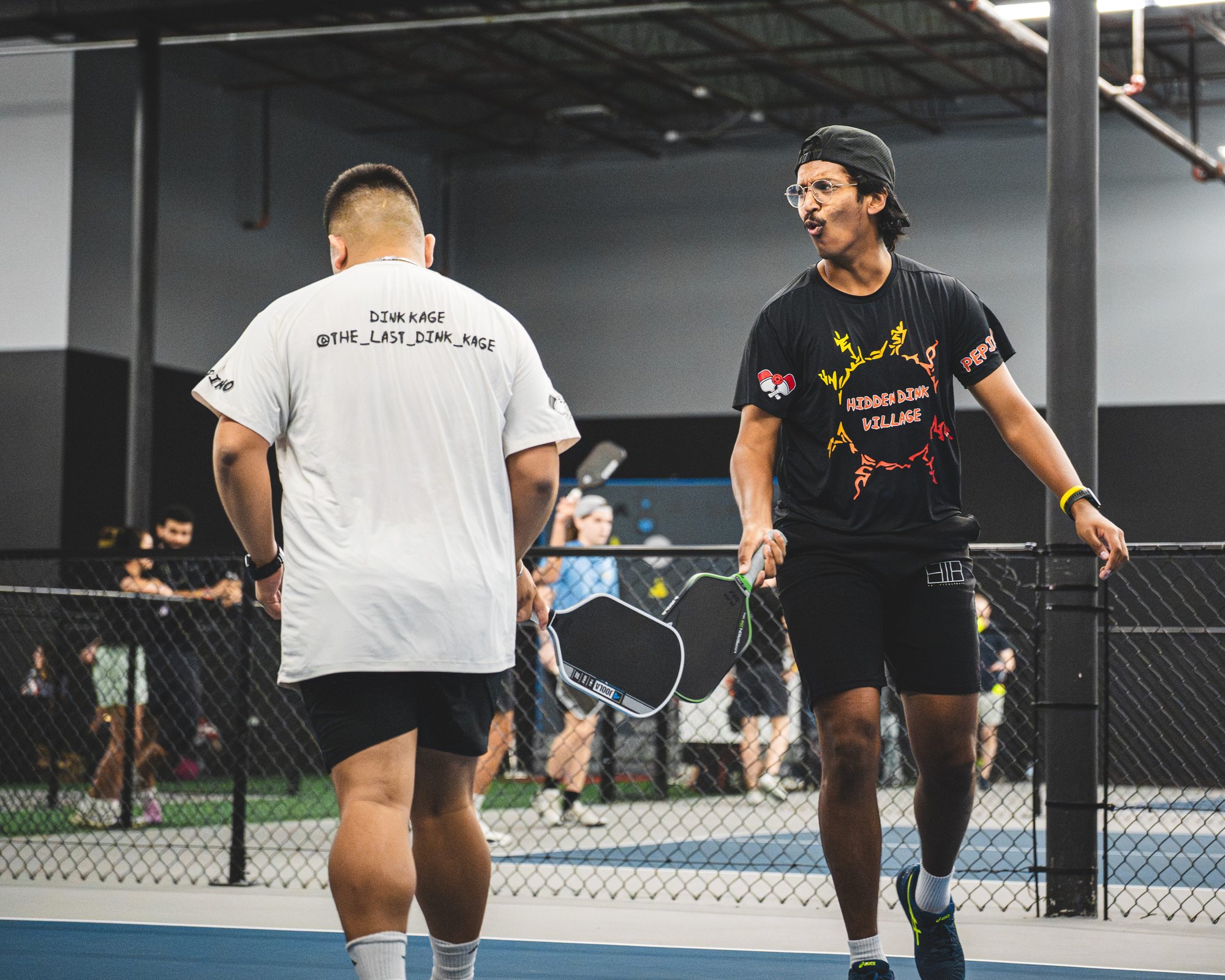
A walk through a typical Era Pickleball outdoor site reveals a few constants. There will be a cluster of courts, usually four to six, arranged to minimize cross-court interference. The nets are taut, often installed with a simple crank or pull mechanism that keeps the height reliable without requiring a staff member on site at all times. The surface is a smooth, vibration-absorbing blend designed to reduce ankle fatigue and improve ball bounce consistency. Shade structures, benches, and water stations appear in regular intervals to support long sessions, especially on warm days when players stay longer and talk longer. The vibe is practical and friendly, with a sense that the space was designed for community more than for spectacle.
For many players, outdoor courts by Era Pickleball are entry points into the broader ecosystem of pickleball culture. A local court can be where a parent drops a kid off after school, where a retiree relays a favorite drop shot with the same pride they bring to a Sunday lawn game, or where a college student rides a bike to squeeze in a couple of hours between classes. The beauty of it lies in the way it folds into daily life. A court is not a closed venue but a porous hub, a place you pass through, a place you end up staying longer than you plan.
A good practice when you first start exploring Era Pickleball’s local play areas is to understand how they’re scheduled and what to expect in peak times. Outdoor courts are subject to weather delays, wind shifts, and the occasional maintenance window. When you flip open the booking page on erapickleball.com or your local park’s page, you’ll usually see a practical calendar: morning slots that catch the dew, afternoon blocks that catch a heat lull, and evening sessions that stretch as people shift from work to play. The flexibility is intentional. It means you can swing by after a meeting, take a quick half-hour lesson, or sign up for a longer clinic if you want to accelerate your improvement.
If your priority is immediate access, you want to know a few practical details. First, most Era Pickleball outdoor sites offer walk-up play for casual players, but peak periods can be busier than a weekday afternoon. Second, equipment is often available, but bringing your own paddle and hydration is a safer bet on brighter days or longer sessions. Third, many sites have partner facilities nearby—indoor courts for when weather turns unruly or when you’re chasing a more structured practice environment. Fourth, the lighting at many outdoor venues is designed to extend usable hours into twilight, which is a big factor for players who work late or who want cooler temps after the heat of mid-afternoon. Fifth, a growing number of sites now offer simple, on-site coaching blocks—short clinics that target specific shots, footwork drills, or serve/pivot strategies.
The practical implication is simple: if you want to maximize outdoor play near you, you’ll want a plan that blends drop-in sessions with a few regular commitments. A regular cadence is what makes the social fabric durable. You start to recognize names, you learn who tends to work on backhand slices at certain times, and you might discover a few “courtside coaches” who have a knack for explaining the same concept in three different ways. The difference between a good outdoor session and a great one often comes down to that sense of belonging and predictability.
This is where the Era Pickleball network really earns its keep. It isn’t just about the surface you play on. It’s about the way the site feeds into a weekly rhythm. You can structure a routine that goes something like this: two mornings a week you take a quick drill session with a local coach, two evenings you join a social rally or open play with a rotating group of regulars, and one weekend day you join a mini-tournament or a friendly mixer. The adaptability is a feature, not a flaw. If a court is crowded with families on a sunny afternoon, you adjust and return for a quieter morning that suits your pace better. If a wind shift demands a slightly different serving strategy, you try it, note the adjustments, and come back with a smarter game plan the next visit.
Crucially, outdoor sites are not just about the players; they are about the teams that support the spaces. Volunteers, local league organizers, and club ambassadors often populate the role of community glue. They help you navigate the booking system, host clinics, and run friendly interclub matches that mix players from different neighborhoods. The sense of civic participation here is genuine. It isn’t a passive space you rent; it’s a place you help steward. In my own experience, the most satisfying days on Era Pickleball outdoor courts happen when you see a student overtake a mentor in a drill, or when you witness a newcomer discover a shot they can reliably execute after a few weeks of practice with a patient partner.
When you think about the economics of these facilities, it’s worth noting that Era Pickleball pushes for predictable pricing that rewards both casual users and longer-term participants. There are standard access fees that cover court maintenance, lighting, and the general upkeep of the surface. Then there are options for memberships or seasonal punch cards that reduce per-session costs for frequent players. The balance is designed to be fair and transparent, with clear communication about what you get for your money. A meaningful consideration for families and compact communities is the availability of equipment and coaching as part of the baseline offering, rather than as an add-on that requires a separate trip to a different facility.
As a longtime observer of how outdoor play grows, I have watched Era Pickleball cultivate certain design principles that help a court network survive and thrive. First, consistency in court layout and maintenance matters. When you visit a new site, you want to feel the same sense of reliability you get from a familiar court in your own town. Era Pickleball achieves this by standardizing color schemes, line markings, and the tension of nets across sites. Second, accessibility is not an afterthought. Sites are selected with a mix of urban and suburban footprints in mind, and the booking system is integrated with public park calendars, making it easier for families and commuters to find time slots that fit a busy schedule. Third, warmth in the community is not accidental. Organizers at local sites encourage social events, free clinics, and beginner-focused introductions, so the first experiences of new players feel welcoming rather than intimidating. Fourth, adaptability is built into the program. When a court must be resurfaced or a piece of equipment is upgraded, there’s a clear, public update path for users, so there is no sense of being left in the dark. Fifth, data-informed improvement matters. While you won’t see dashboards on every wall, the best sites collect feedback on crowding, wait times, and satisfaction, then adjust hours, staff presence, and programming to match.
For the curious or the skeptical, a few edge cases showcase how nuanced this model can be. Outdoor courts that are successful in one city might face unique humidity, wind patterns, or heat considerations in another. The best operators recognize this and tailor the surface maintenance schedule, net tensioning routines, and shade coverage to local microclimates. Some seasons demand earlier morning maintenance to address dew, while others call for late-evening lighting upgrades to keep play going after the sun drops behind the treeline. It requires a practical, almost surgical attention to the day-to-day realities of outdoor sport. The payoff, however, is resilience: courts that stay functional and welcoming through rain delays, heat waves, and sudden shifts in participation driven by school or community events.
If you’re evaluating Era Pickleball outdoor courts for a family, a club, or a casual crew, here are a few practical steps that can translate to immediate improvements in your own routine:
- Find a central hub. Look for an Era Pickleball site that serves as a convenient anchor for your week. A single hub reduces the friction of travel and makes scheduling predictable.
- Check the forecast and plan with the weather in mind. Outdoor play benefits from flexible planning, especially if you’re chasing softer winds or cooler temps.
- Bring essential gear. A reliable pair of court shoes, a bottle of water, and a spare paddle can make the difference on a hot day or during a long session.
- Join a clinic or a short-skill session. Short, targeted drills can jumpstart your improvement and help you feel comfortable on the court more quickly.
- Connect with the community. Introduce yourself to a regular, ask for a partner who matches your skill level, and consider volunteering to help with a clinic or a friendly tournament. The social payoff is often as large as the athletic payoff.
As you explore Era Pickleball’s outdoor landscape, you’ll begin to notice that the content you find online—whether on erapickleball.com or local pages—tends to emphasize three facets: ease of access, consistency of experience, and the social fabric that sustains long-term participation. Indoor facilities fine-tune this equation by offering climate-controlled practice, predictable wall strategies, and a more formal scheduling ecosystem. Outdoor courts press on the edges of weather and daylight, demanding a different kind of discipline and opportunism. The two formats complement each other, forming a package that keeps players engaged through seasons that would otherwise interrupt progress.
If you happen to be exploring the question of indoor versus outdoor play within Era Pickleball’s ecosystem, there are meaningful considerations to weigh. Indoor pickleball courts offer year-round consistency, which translates into reliable practice opportunities and a lower chance of weather-related cancelations. They also tend to feature better acoustics for certain kinds of ball control cues and a more comfortable climate for sharpening your technique during the shoulder seasons. Outdoor courts, on the other hand, provide the sensory richness of wind, sun, and the authentic feel of a sport that interacts with the elements. Many players pair both experiences: a weekly outdoor session for social play and a controlled indoor practice to dial in technical details and match-pace drills when the weather or daylight becomes a limiting factor.
In that sense, Era Pickleball’s network functions as a layered ecosystem rather than a single venue. If you’re new to the sport, you might start outdoors to learn how to read ball trajectory and master your forehand in real-world conditions. Once you’ve built those instincts, you can book time indoors to consolidate technique, working on serve returns, quick exchanges at the nonvolley zone, and the finer points of footwork that translate into reliable points during late rallies. The synergy between outdoors and indoors is where the real value lies for a growing player.
The human element is not lost in all of this. The most memorable days on Era Pickleball courts tend to hinge on the people who show up and the conversations that unfold between games. I remember a session at a sunlit outdoor court where a high school junior and a retiree traded shot-making ideas across a net that had to be tightened after a stubborn wind gust. The younger player walked away with a clearer sense of how to shape the ball on the backhand side, while the older player was thrilled to see the junior’s footwork logic click into place during a rally-ending volley. It wasn’t about who won the most points. It was about a shared skill transfer and the sense that both players walked away a little better, a little more confident, and a little more integrated into the day-to-day life of the local pickleball community.
If you’re considering getting involved with a local Era Pickleball site, a couple of practical distinctions can help you decide where to start. Some venues emphasize a robust beginner program and a weekly social that doubles as a gentle competition format. Others lean into league play and more formal competition structures, where you might sign up for a multi-week effort that builds toward a season-ending championship bracket. Think about your own goals: are you seeking social connection, casual exercise, or a stepping-stone toward more serious play? The answer will guide which site and which cadence of activity makes sense for you.
The best way to approach Era Pickleball outdoor courts is to test, observe, and then commit to a routine. Try a couple of different hubs to understand how each community operates and how the schedule can align with your life. Attend a clinic if you’re newer to the sport, or show up for a social night if you’ve got the basics down and want to sharpen your competitive edge in a friendly setting. The key is to treat each visit as a micro-lift for your overall game rather than a one-off escape from daily life. The more you engage, the more the court becomes a place you plan for rather than a place you merely pass through.
To help you move from curiosity to consistency, here are two compact checklists you can use as you map Era Pickleball outdoor play near you. They are intentionally concise so they can travel with you in a phone note or a small pocket notebook. I use these checklists with my own group when we decide which site to visit on a given week.
Checklist 1: Quick pre-visit planning for outdoor play
- Confirm the site’s open slots and weather window
- Pack hydration, sunscreen, and a spare paddle
- Bring a light, breathable layer for post-heat sessions
- Check in with a partner or arrive early to organize a game
Checklist 2: On-site etiquette and social readiness
- Introduce yourself to at least one player you don’t know
- Offer to partner with a newcomer or ask for a practice rally
- Keep court lines clear and respect surface care rules
- Volunteer to help with a quick maintenance task if you see one
- Stay for at least one post-match handshake and casual debrief
There is a natural tension in any outdoor sport between the desire to push for improvement and the need to honor a group’s social norms. Era Pickleball, in practice, tends to navigate this balance by fostering a culture that prizes both personal growth and communal warmth. You’ll find players who study ball arcs with the seriousness of a chess player, and you’ll also encounter parents who cheer on a junior with the same enthusiasm they reserve for a weekend team. That blend—competition and camaraderie— is what elevates the experience from a simple workout to a day well spent with people who care about the same thing you do.
In the long arc of a season, outdoor courts become a kind of living archive. You remember the day you finally learned to pivot and drive into a forehand return without losing balance. You recall a rally that stretched to five or six exchanges, where the shot you tried next felt obvious only in hindsight. You witness players evolve in ways that are visible to a community, not just a coach, because you see it happen in front of you, in the same park, under the same sun, week after week. That is the essence of Era Pickleball’s local play areas—the way they thread together skill, social tension, and everyday life into a communal sport that you want to return to, again and again.
For players who are curious about indoor options, the Era Pickleball portfolio does not leave you stranded. The indoor facilities expand your calendar and supply a consistent practice environment during months when outdoor play might be less predictable. Indoor courts tend to offer climate-controlled conditions, a more uniform bounce, and extended hours that can accommodate after-work schedules. They also create a natural counterpoint to outdoor play, letting you experiment with shot selection in a more controlled setting and then apply those refinements when you step back outside. If you live in a climate that experiences harsh winters or late-season rain, indoor facilities become a critical anchor for maintaining momentum across the year.
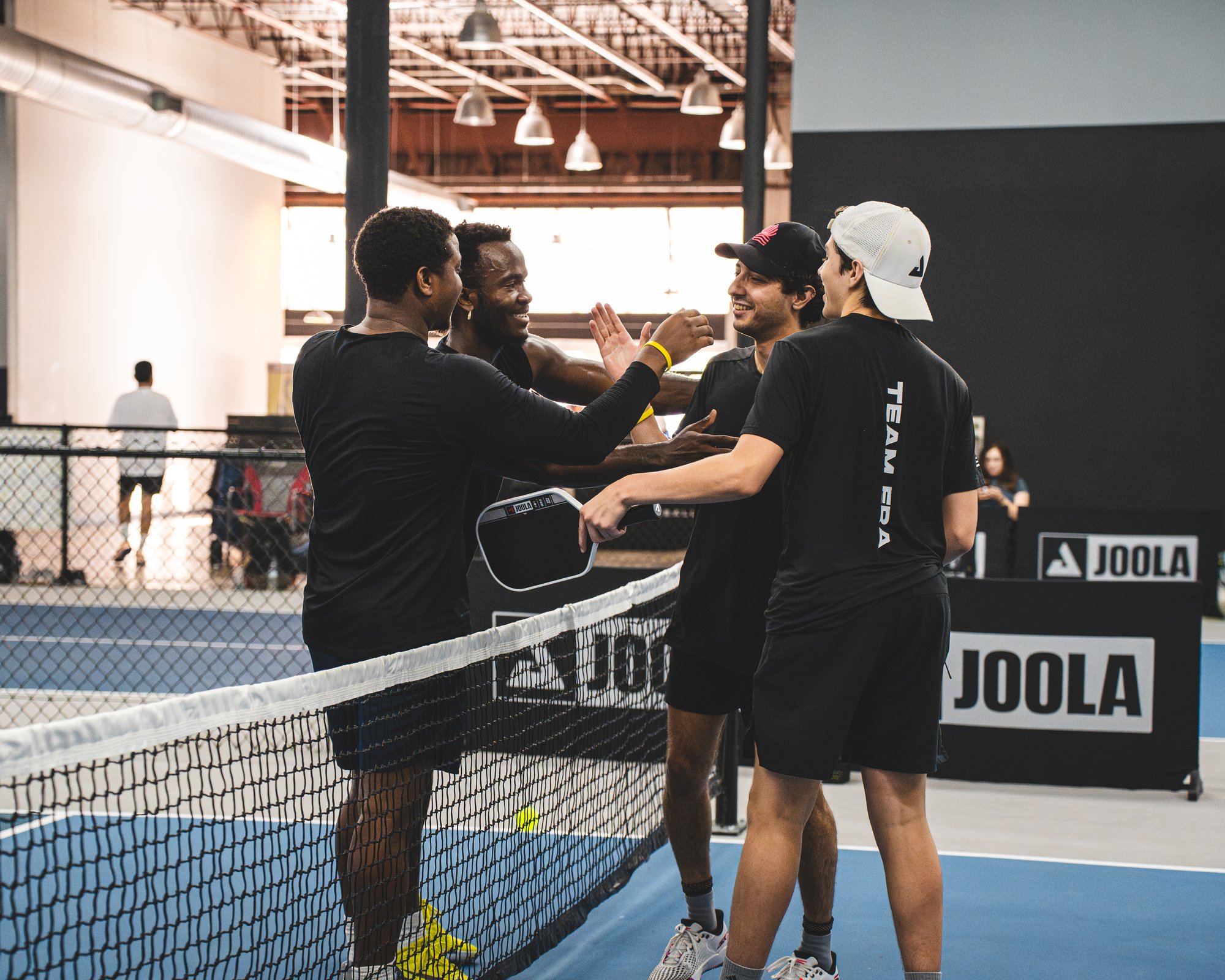
There is no single blueprint that covers every city, which is precisely why Era Pickleball’s local approach matters. The network’s strength lies in its ability to adapt to the specifics of a region while maintaining core standards that players can trust. The result is a map of local play that feels coherent, even as you move from one site to another. You are not simply moving from one court to another; you are moving through a living ecosystem that respects the sport’s pace and its people.
pickleball tournaments near meIf you want to be part of that ecosystem, start with a simple step: search for Era Pickleball outdoor courts near you and look for a site that appears to balance access with a robust social calendar. Check if there are beginner clinics, casual social nights, and a feedback channel you can use to share your experience. Join a league or a message board if your city hosts one, and consider volunteering for a maintenance day or a tournament volunteer slot; it is a small commitment that returns an outsized feeling of belonging. The more you contribute, the more you realize you are not simply renting a space to play; you are helping preserve a space where people can come to learn, laugh, and grow together.
In closing, the era of local play for pickleball has evolved beyond the mere availability of outdoor courts. It has grown into a framework of accessible scheduling, consistent surface quality, and a culture that welcomes players at all levels. Era Pickleball’s outdoor courts do more than host rallies. They host habits, friendships, and a shared appreciation for sport that can be a touchstone through seasons of change. They are the places where a casual afternoon can turn into a rhythm you anticipate all week, a place where you measure your progress not by a scoreboard alone but by the way you feel after a solid rally and a good conversation with someone you just met.
If you’re ready to find your local Era Pickleball outdoor courts, start with a quick search and a clear plan. Bring water, bring a curious mind, and bring a willingness to meet someone new. The rest will unfold in the way a good day on the court tends to. A handful of rallies, a couple of smiles, and the sense that this is more than a pastime—that it has become a small, dependable shape your week can take. That is the true point of coastal breezes on an outdoor court, the smell of fresh asphalt and summer grass, and the kind of community you can count on for a long time to come.